
Introduction
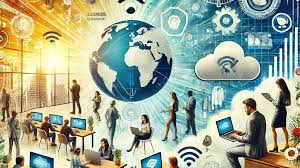
career growth Professional development is necessary in today’s fast-changing work landscape, particularly with remote work as a new norm in the professional world. Initially as a pandemic response, it has now become a deliberate method of working—breaking open flexibility, independence, and access to global career opportunities. For working professionals seeking to develop their careers, remote work isn’t an obstacle—it’s a dynamic catalyst when done correctly. This blog discusses how you can synchronize career development with the remote work trend to not only survive but thrive in the new normal.
work from home jobs:
Home-based jobs are no longer restricted to customer support or technical assistance. Now, marketing, HR, sales, design, consulting, and leadership roles are also being advertised remotely. These positions enable people to maintain a balance between professional life and work, while also allowing them the freedom to spend time on upskilling and self-development—key to professional enhancement.
Digital Marketing Specialist
A Digital Marketing Specialist is tasked with planning, executing, and coordinating online marketing campaigns to advance a brand, product, or service. Their main target is to drive traffic, generate leads, and boost conversions using multiple digital channels, such as search engines, social media, email, and websites.
They use tools such as Google Ads, SEO plans, email marketing tools, content management systems, and analytics solutions to improve performance and have marketing aligned with business goals.
- Create and maintain online marketing campaigns
- Improve content for search engine optimization and paid search tactics
- Oversee and expand social media presence
- Measure data using tools such as Google Analytics
- Perform market research and competitor analysis
- Work with designers, content writers, and developers
Software Developer / Web Developer
A Web Developer or Software Developer is a tech expert who creates, develops, tests, and maintains websites, web applications, or software systems. These are important jobs that make the digital tools and experiences people and companies use every day.
Although both jobs are programming and problem-solving, a Web Developer generally creates programs that execute in web browsers, whereas a Software Developer can develop software for desktops, mobile, servers, or embedded system
Data Analyst / Business Analyst
A Data Analyst and Business Analyst both deal with data to enable organizations to make intelligent decisions, but they work towards different results.
- A Data Analyst is an expert in gathering, cleansing, and interpreting data to derive trends, patterns, and insights.
- A Business Analyst employs data in conjunction with business acumen to analyze processes, suggest solutions, and inform strategic choices.
Both play important roles in powering data-driven growth and enhancing operational effectiveness.
Data Analyst
Collect, organize, and clean large datasets
Analyze data using statistical techniques
Build dashboards and visualizations (e.g., Power BI, Tableau)
Create reports to support business decision-making
Work with tools like SQL, Python, R, Excel
Business Analyst
Understand business needs and translate them into technical requirements
Analyze business processes and identify areas for improvement
Facilitate communication between stakeholders and technical teams
Document workflows, use cases, and business models
Support project planning and implementation
UX/UI Designer
A UX/UI Designer is tasked with making digital experiences visually pleasing and easy to use. Although typically integrated into a single job, UX (User Experience) and UI (User Interface) design are two complementary but separate fields:
- UX Designers are concerned with the general sense of the product—how it feels to use it, whether it is intuitive, and how people engage with it.
- UI Designers are concerned with the appearance—layouts, color palette, font usage, and interactive elements.
Together, they make digital products usable and desirable, providing a consistent experience to users.
Content Writer / SEO Copywriter
A Content Writer produces informative, engaging, and unique content with the purpose of reaching a particular audience or for a particular cause. An SEO Copywriter is specifically skilled in writing content that not only engages readers but also ranks high on search engines such as Google.
SEO Copywriters, although they write like writers, prioritize incorporating keywords and structuring content to attract organic traffic and increase search visibility.
Collectively, these experts assist companies in educating, engaging, and converting their audience through search-optimizing and compelling content.
Remote Work:
Remote work turns career progression on its head. Absent the familiar office setting, attention and communication need to be deliberate. However, experts who excel at remote tools, define objectives with clarity, and establish a strong presence online are sometimes greater than their in-office colleagues. Career development in such cases requires careful planning, personal discipline, and ongoing learning..
Flexibility Fuels Productivity and Job Satisfaction
One of the most significant benefits of remote work is flexibility—being able to control when and where you work. With independence from offices and set schedules, people can organize their day according to peak productivity times, personal habits, and life obligations, resulting in better concentration and effectiveness. Without the need for lengthy commutes or inflexible scheduling, employees tend to be more satisfied with their jobs and have lower levels of stress. Flexibility enables people to work in their best way, ultimately leading to better morale, motivation, and performance.
Remote Work Expands Career Opportunities
Remote employment has eliminated geographical constraints, presenting professionals with access to more job opportunities globally. You no longer have to confine your search to businesses within your immediate region—now you can seek employment within elite organizations irrespective of their location. This change provides access to global cooperation, freelance jobs, contract employment, and employment within new digital sectors. For professional development, that translates into greater flexibility, varied experience, and the freedom to discover jobs that perfectly match your competence and aspirations.
Strong Digital Skills Are Essential
Digital skills are now no longer a nicety but a necessity in a work-from-anywhere culture. Video conferencing and project management software, cloud collaboration and cybersecurity savvy are all essential skills that professionals need to be adept at using across several platforms. Fluency in platforms such as Zoom, Slack, Google Workspace, Trello, and Notion facilitates seamless communication and workflow. Also important are digital etiquette, effective time management, and the ability to troubleshoot minor tech problems, all of which will contribute to effectiveness and dependability in remote jobs. Developing solid digital skills will specifically aid career advancement in a remote-first reality.
Visibility and Networking Still Matter
It is not working in a vacuum to work remotely. Career advancement still requires relationship-building, staying in sight, and regularly engaging with your team and community. In a virtual environment, this translates to raising your hand in meetings, reporting progress regularly, contributing to online forums, and connecting with mentors or peers. Individuals who take initiative in networking—on LinkedIn, virtual conferences, or even company-wide collaborative efforts—remain in the spotlight and don’t fade into obscurity, thus ensuring they remain visible for new assignments, advancement, or recognition.
Mental Health and Work-Life Balance Must Be Prioritized
Remote work is flexible, but also confusing, making it difficult to separate personal life from professional life. Without boundaries, most remote workers become burned out, lonely, or always connected. Prioritizing mental well-being is all about establishing set working hours, regularly taking breaks, having a dedicated working space, and engaging in self-care. Individuals and companies need to foster an environment that favors wellness, as the success of remote work, long-term, relies not only on productivity—but on balance and mental toughness.